Just How Efficient Welding Examination Improves Structural Honesty and Durability
In the realm of building and construction and design, the significance of welding evaluation can not be overemphasized, as it plays an essential function in ensuring architectural stability and expanding the life-span of tasks. Sign up with the expedition of how effective welding assessments can transform potential vulnerabilities right into toughness, adding to the long-lasting success of constructions.
Significance of Welding Examination
Making sure the architectural stability and safety and security of bonded building and constructions mandates rigorous welding inspection processes. Welding evaluation serves as a critical safeguard in the building and production sectors, where the stamina and sturdiness of joints substantially influence the general performance of structures.
In addition to safety and security, welding assessment plays an important duty in top quality assurance. By adhering to fixed requirements, inspections determine the uniformity of welds, making sure that each fulfills the wanted strength and aesthetic needs. This consistency is crucial not only for safety but likewise for keeping the online reputation and dependability of erectors and makers. Furthermore, regulatory conformity is a substantial vehicle driver of welding examination techniques. Industry standards and codes, such as those from the American Welding Society (AWS) or the International Company for Standardization (ISO), demand adherence to strict guidelines, underscoring the importance of evaluations in meeting these legal and expert responsibilities.
Key Examination Strategies
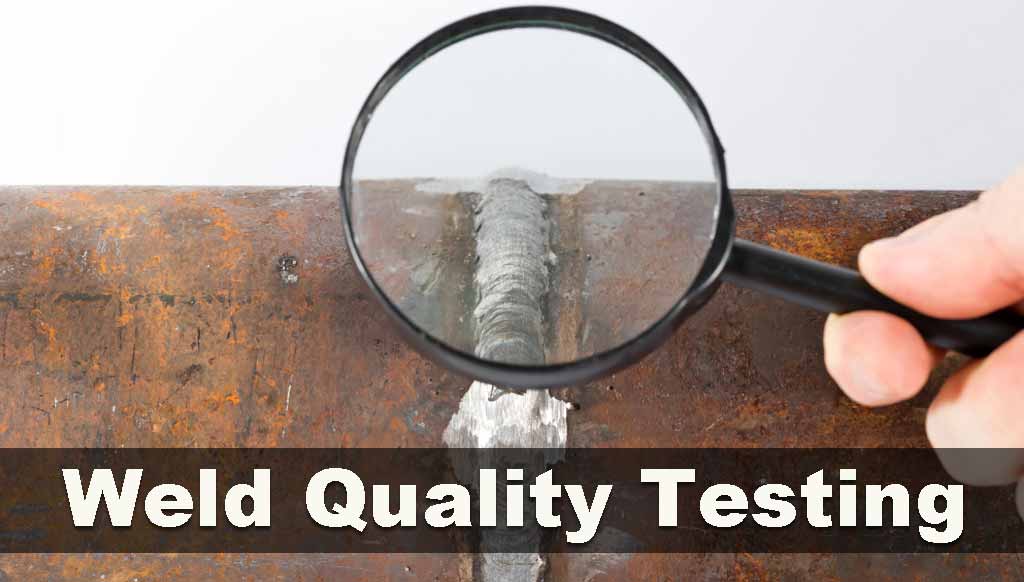
Ultrasonic Checking (UT) utilizes high-frequency acoustic waves to discover subsurface problems, using exact details about weld stability without creating any kind of damages. Radiographic Examining (RT), including X-rays or gamma rays, gives an in-depth picture of the weld's inner framework, disclosing covert imperfections. Magnetic Fragment Evaluating (MPT) is another non-destructive method, specifically effective for finding surface area and near-surface interruptions in ferromagnetic materials.
Penetrant Testing (PT) entails the application of a liquid color to expose surface-breaking flaws, supplying a cost-efficient and uncomplicated option for non-porous materials. Each strategy has its particular applications, toughness, and restrictions, and usually a combination of approaches is employed to attain extensive assessment results. Proficiency of these techniques boosts the dependability and sturdiness of bonded structures, aligning with security and performance assumptions.
Identifying Common Issues

Porosity, characterized by gas pockets within the weld, minimizes the weld's stamina and durability. Splits, which can occur throughout or after welding, click over here now position significant risks due to their potential to circulate under tension.
Insufficient combination, where the weld steel stops working to bond totally with the base material, undermines the architectural stability, bring about weak joints. This flaw typically stems from not enough heat input or incorrect welding technique. Slag additions occur when non-metallic products are entraped in the weld, jeopardizing its strength and high quality. These are commonly a result of insufficient cleansing in between weld passes or improper flux usage.
Determining these defects through thorough examination methods, such as aesthetic assessment, ultrasonic testing, or radiography, is vital. Addressing these problems makes sure weld top quality, ultimately supporting the architectural stability and security of the constructed atmosphere.
Enhancing Architectural Efficiency
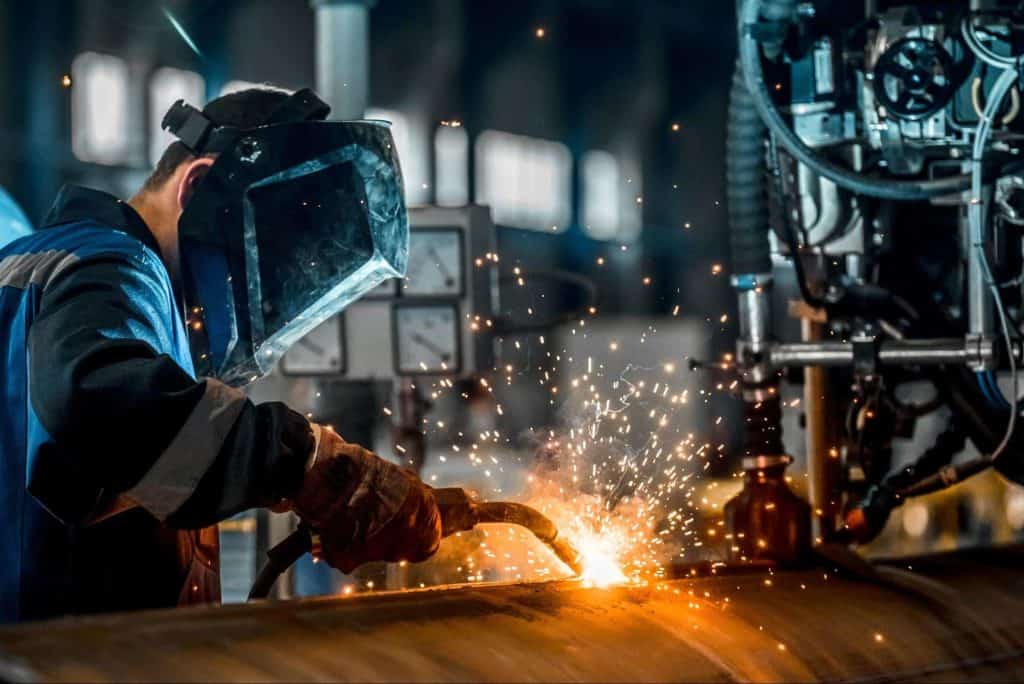
Recognizing the importance of determining typical weld defects normally brings about discovering approaches for enhancing structural performance. The foundational method for improving performance entails employing sophisticated welding methods and materials that reduce problem occurrence. Utilizing top notch filler materials and ensuring proper heat control can substantially minimize problems such as porosity and cracking, therefore enhancing the weld's integrity.
Integrating modern welding innovations, such as laser welding and rubbing mix welding, additional magnifies architectural strength. These strategies supply superior accuracy and lowered thermal distortion, directly influencing the durability and strength of the bonded structures. Additionally, adopting automated welding systems can ensure constant and repeatable weld quality, lessening human mistake.
Furthermore, implementing extensive pre-weld and post-weld procedures is important. Proper joint design, surface preparation, and stress-relieving processes add to optimum weld performance. Conducting detailed pre-weld assessments enables for very early detection of possible concerns, facilitating timely corrections prior to they jeopardize the framework.
Long-term Benefits of Evaluation

With vigilant inspection methods, the long-term benefits to architectural honesty ended up being significantly right here apparent. Detailed and constant welding examinations play a vital role in preventing structural failures by identifying problems and variances early in the building and construction process.
Additionally, routine evaluations contribute to maintaining compliance with market criteria and laws, thus preventing legal and financial repercussions. This adherence to quality control not only enhances the dependability of the framework however also promotes trust amongst stakeholders, including clients, designers, and governing bodies. The extensive documentation of evaluation results works as a beneficial source for future repair and maintenance efforts, promoting informed decision-making.
Additionally, efficient evaluation practices sustain innovation by incorporating advanced innovations such as non-destructive testing and digital imaging, which can improve precision and effectiveness. This technological combination further highlights the dedication to excellence in architectural integrity. Ultimately, buying precise welding inspections is a sensible technique that produces significant lasting advantages, securing both the physical and monetary financial investment in framework projects.
Conclusion
Effective welding examination plays a vital role in enhancing architectural stability and longevity by recognizing flaws early in the building and construction procedure. Making use of techniques such as visual assessment, ultrasonic testing, and radiographic screening makes sure the discovery of issues like fractures and porosity that endanger weld strength. Rigorous examinations ensure compliance with industry requirements, consequently lengthening the life expectancy of frameworks, lessening expensive repairs, and promoting stakeholder trust in the dependability and security of welded constructions.
In the realm of building and design, the relevance of view publisher site welding examination can not be overemphasized, as it plays a crucial function in making sure architectural integrity and prolonging the life-span of tasks.Guaranteeing the structural stability and safety of welded buildings mandates extensive welding assessment procedures.Structure upon the relevance of welding assessment in protecting structural integrity, recognizing the essential assessment methods comes to be imperative for efficient application. Reliable welding assessment includes a range of approaches designed to review weld top quality, making sure conformity with rigorous design criteria - Welding Inspection Madison.Efficient welding examination plays a critical function in enhancing structural honesty and longevity by identifying flaws early in the building and construction process